Address
California
Work Hours
Monday to Friday: 7AM - 7PM
Weekend: 10AM - 5PM
Address
California
Work Hours
Monday to Friday: 7AM - 7PM
Weekend: 10AM - 5PM
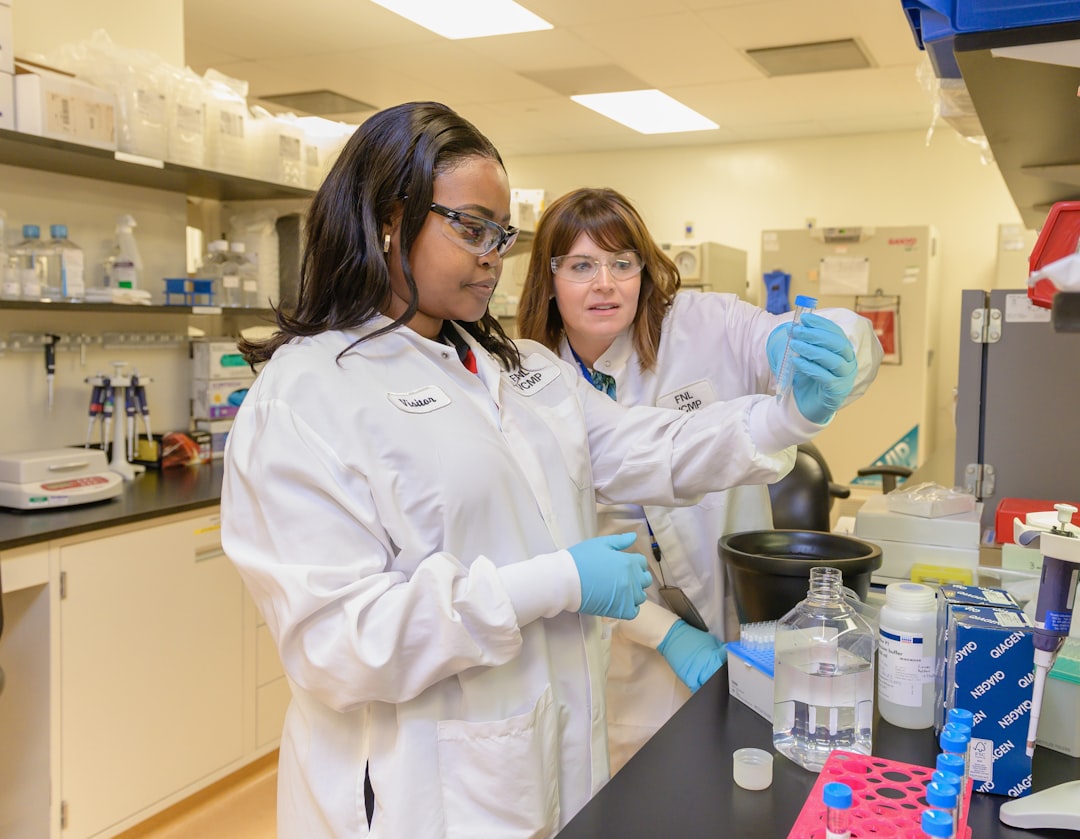
As peptide applications continue to expand across research and laboratory settings in 2026, purity standards have become more critical than ever. Whether peptides are used for analytical research, assay development, or structural studies, understanding what “99%+ purity” truly means is essential for data integrity and reproducibility.
This guide explains modern third-party testing protocols, updated industry expectations, and how researchers should interpret purity claims in 2026.
When a peptide is labeled as 99% pure, it typically refers to:
However, purity is not just a number. It depends on:
Two labs may report slightly different purity percentages depending on their method validation.
Modern peptide suppliers are expected to provide:
Independent laboratory testing is increasingly standard in 2026. Third-party verification helps eliminate:
Reputable suppliers now include:
Higher purity ensures:
In analytical or structural research, even minor impurities can skew:
False. It means 1% detectable impurities remain.
Not always. Some screening research can function with 95–98% purity, but validation work typically requires ≥99%.
Methodology and lab validation matter. Always review chromatograms, not just the headline number.
In 2026, peptide purity standards are more transparent and data-driven than ever. Researchers should move beyond marketing claims and evaluate analytical documentation carefully.
At PureLabs, transparency, batch testing, and third-party validation remain central to maintaining research-grade integrity.